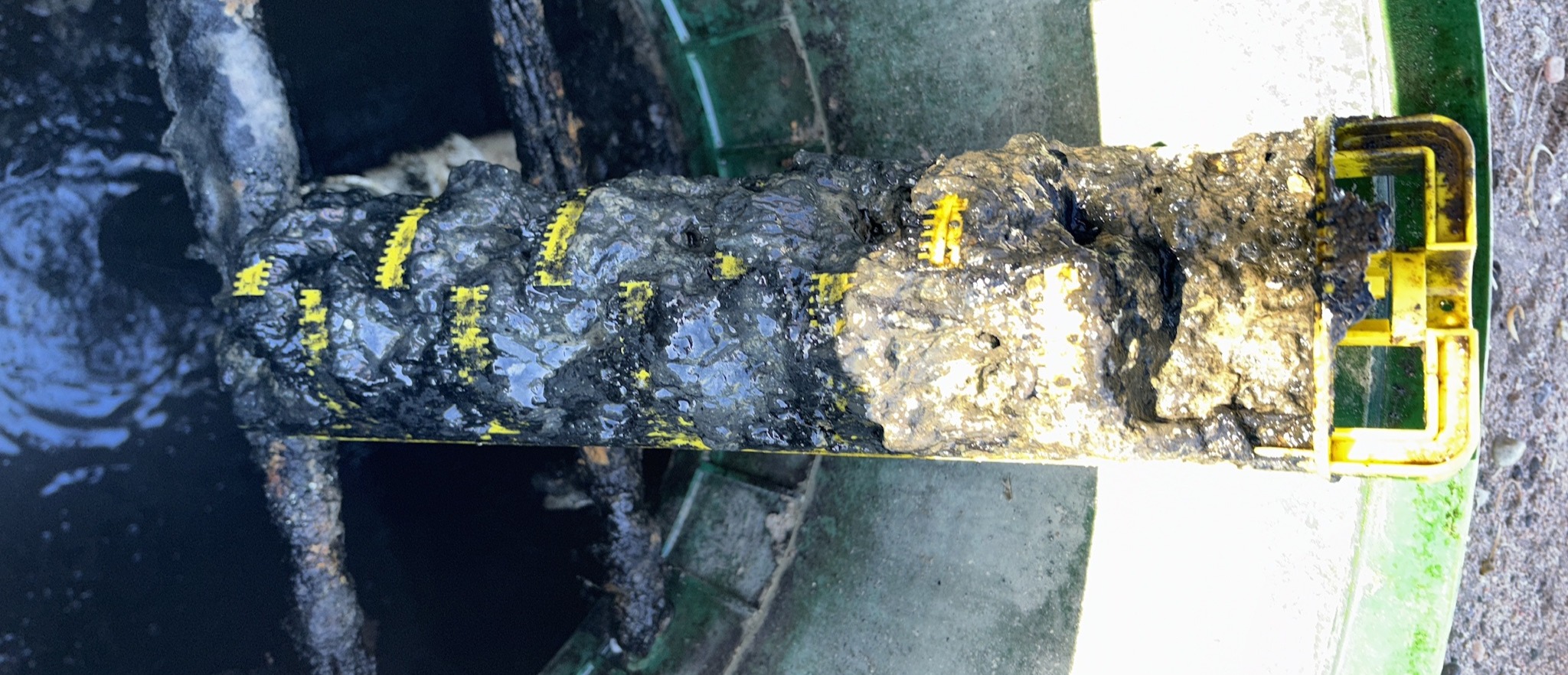
Septic Filter Cleaning And Maintenance
Regular septic filter cleaning is essential to keep your system operating efficiently. Filters play a critical role in trapping solids, preventing them from reaching the drain field and causing potential damage. To clean the filter, remove it from the tank and rinse it thoroughly with a hose, ensuring that all trapped debris is removed. Inspect the filter for any signs of wear or damage, as a compromised filter can lead to system inefficiencies or failures. If the filter is damaged, it should be replaced immediately to avoid further issues.
Proper filter maintenance not only enhances the performance of your septic system but also extends its lifespan. It’s generally recommended to clean the filter annually, but depending on the usage and household size, more frequent cleaning might be necessary. Keeping the filter in good condition ensures that the system continues to separate solids effectively, maintaining a clear flow through the pipes and preventing backups.
For those unfamiliar with the process or uncomfortable performing it themselves, professional services can provide thorough cleaning and inspection, ensuring that the filter remains in top shape. Trusting a skilled technician to handle this task can offer peace of mind, knowing that the system is being maintained correctly and any potential problems are addressed promptly.
Root Treatment Solutions
Root intrusion into septic lines can cause significant problems, including blockages and pipe damage. Talon Septic LLC offers specialized solutions to address root issues, including the application of root inhibitors and the use of mechanical root cutting tools. By tackling root problems early, you can protect your septic system from costly repairs and maintain its overall health. Root inhibitors are chemicals designed to prevent roots from growing into your septic lines, providing a long-term solution to keep the system clear. Mechanical root cutting involves using specialized equipment to remove roots that have already infiltrated the pipes physically. Both methods are effective in preventing root-related issues and ensuring the smooth operation of your septic system. Regular root treatment is a crucial component of septic system maintenance, particularly for properties with trees or shrubs located near the septic lines. By addressing root intrusion proactively, you can avoid major disruptions and maintain the efficiency and longevity of your septic system.
Main Line Snakes
Mainline snakes are vital tools for clearing obstructions in the main septic line. These devices, also known as drain augers or plumbing snakes, are designed to navigate through pipes and break up clogs that may be causing slow drainage or backups. When traditional methods, such as plunging or using chemical cleaners, fail to resolve the issue, a main line snake can be particularly effective.
Using a flexible, coiled wire, the snake is inserted into the septic line and maneuvered through the pipes to reach the clog. Once the obstruction is located, the rotating action of the snake helps break up the blockage and allows for the debris to be flushed out of the system. This method is handy for dealing with stubborn clogs caused by foreign objects, hair, grease, or other dense materials that have accumulated over time.
Mainline snakes come in various sizes and types, from manual hand-crank models to motorized versions that offer greater power and reach. For homeowners, manual snakes might be sufficient for minor clogs, but more severe blockages often require the expertise of a professional equipped with a motorized snake.
Regular use of a mainline snake can be a proactive approach to maintaining your septic system, helping to prevent major issues and ensuring the smooth flow of wastewater. By addressing blockages promptly, you can avoid the inconvenience and potential damage caused by persistent clogs.
Tank Decommissioning Services
Tank decommissioning is a crucial step when transitioning to a new septic system or connecting to a municipal sewer line. This process ensures that the old tank is safely and effectively rendered non-functional, preventing any potential environmental hazards. The decommissioning procedure involves pumping out any remaining contents, thoroughly cleaning the tank, and then either removing it or filling it with inert materials like sand or gravel. Proper decommissioning also includes sealing the tank to prevent any future leaks or contamination.
At Talon Septic LLC, our experienced technicians follow strict guidelines to ensure the decommissioning is done correctly. We handle all aspects of the process, from the initial assessment to the final steps, ensuring that everything is conducted in compliance with local regulations. This attention to detail not only safeguards your property but also protects the surrounding environment from potential contamination. Whether you’re upgrading your system or no longer need a septic tank, trust our professional team to manage the decommissioning process with precision and care.